
Once in a while, I will open up the folders wherein reside the photographs I took on that trip... if only to remind myself that it actually happened: it was not a dream. And with the passage of time, the images seem fresh and new, strange as that may seem.
Here are a few that you haven’t seen before:
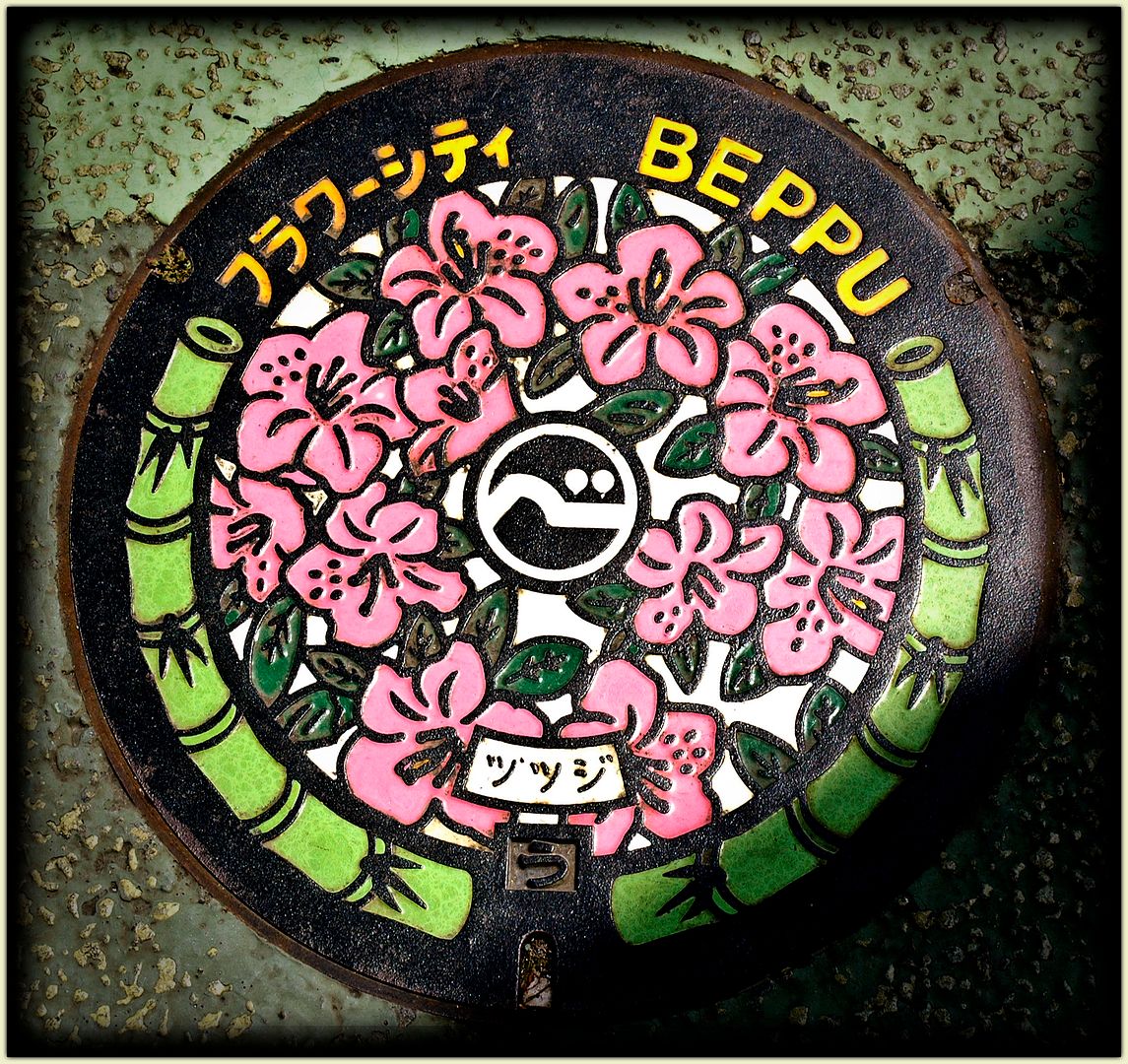
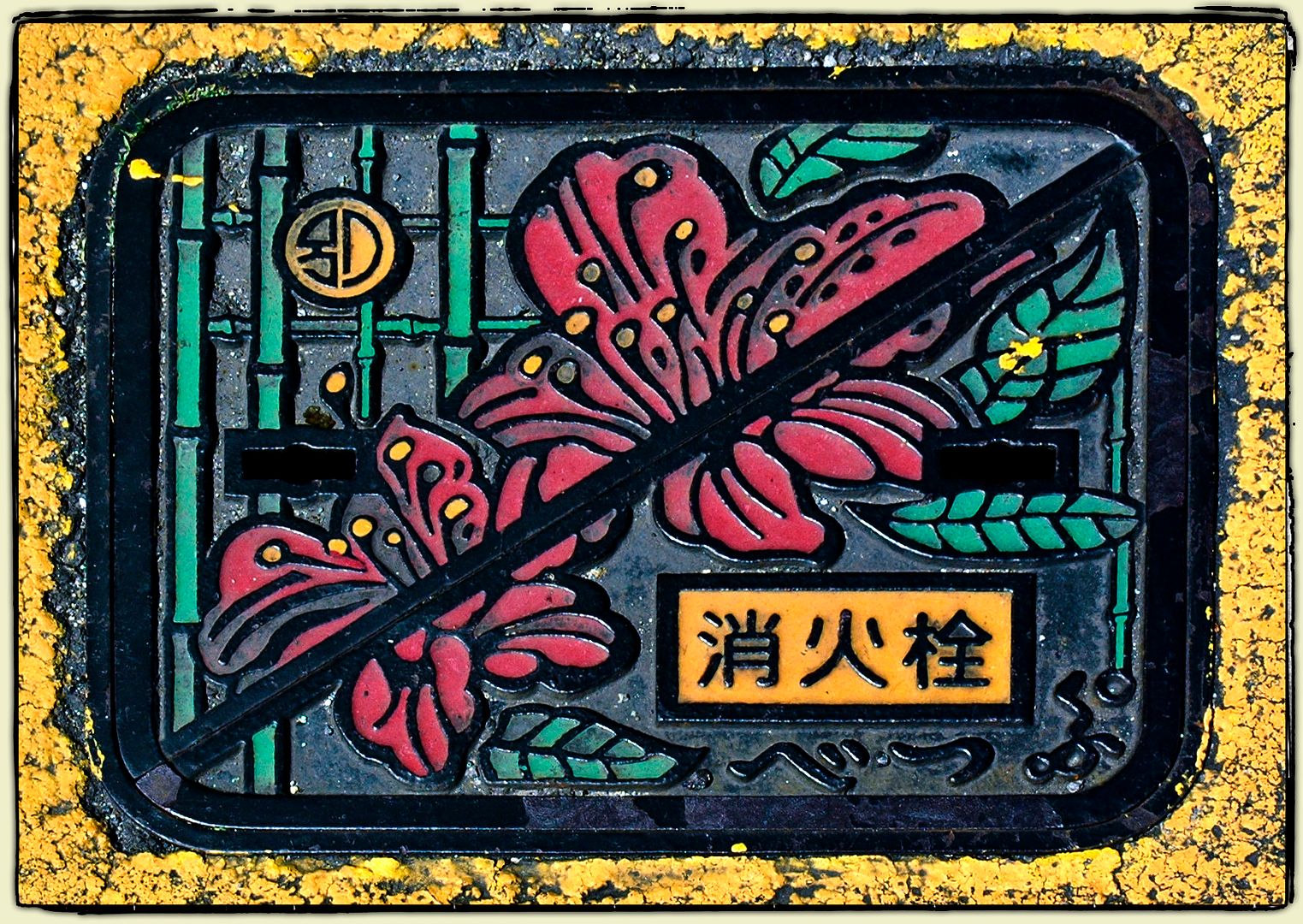
Manhole covers in Beppu.
Manhole covers are an indigenous art form uniquely Japanese in the same way that comic books and jazz are uniquely American. Apparently, I’m not the only one who thinks so: An entire book, Drainspotting, has been written on the topic.
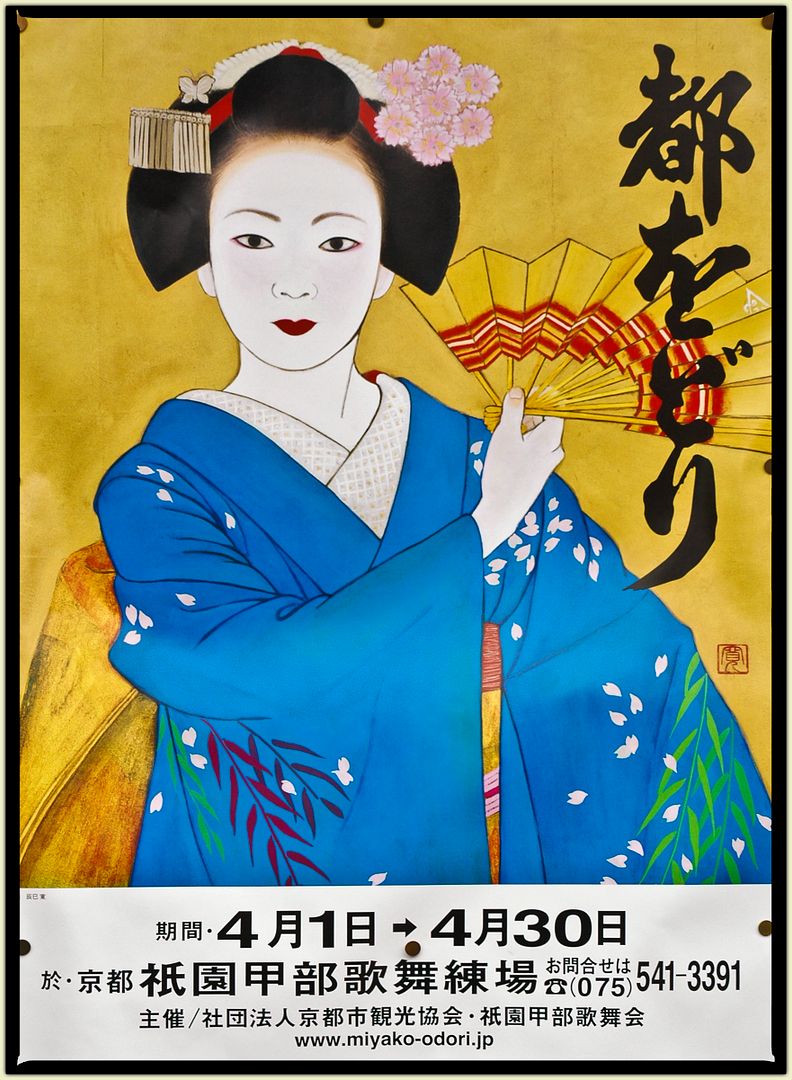
Poster advertising a geisha-related art exhibition from the Gion district, Kyoto.
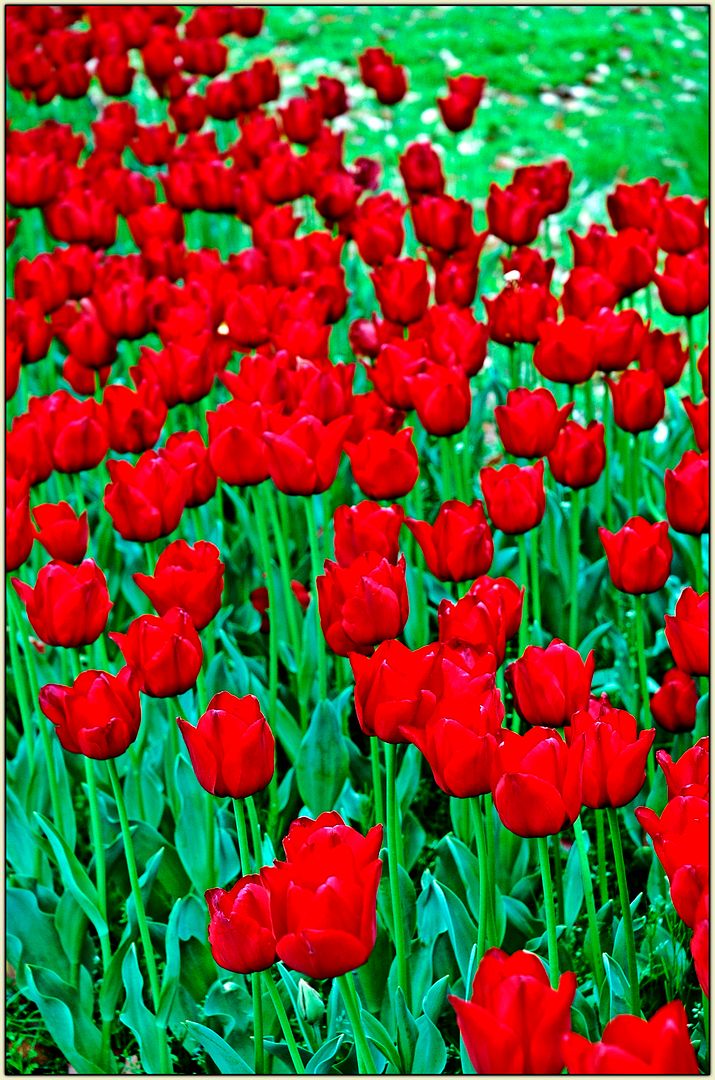
Tulips in Hiroshima... so bright, they practically glow in the dark.
There’s beauty everywhere you look, but when you’re in an exotic foreign locale, it seems to strike you with just a little more force.


 Posts
Posts









1 comment:
Normally I would delete a spammy robo-comment like the one above, but it's so chock-full of useless (but interesting) information, I'll give it a pass.
And besides, who knows but that one of my Esteemed Readers might be in the market for a few manhole covers - made in India, no less?
Post a Comment